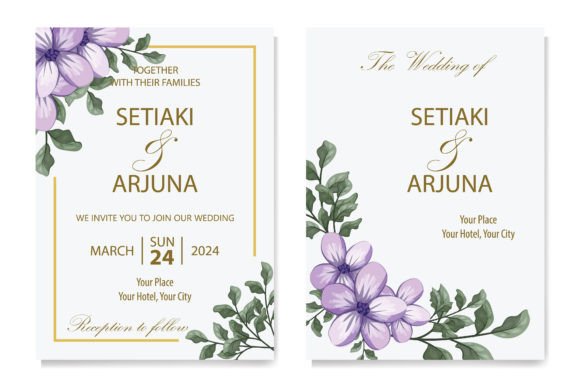
Floral Foliage Wedding Invitation: A Botanical Design Guide
There’s a particular kind of magic in a wedding invitation that feels alive. It’s more than just paper and ink; it’s the first whisper of the celebration to come. A Floral Foliage Wedding Invitation does exactly that. It doesn’t just announce a date—it evokes the scent of a garden, the romance of a blooming vine, and the elegant promise of a beautifully curated day. This style of ornamental design uses intricate botanical motifs to transform a simple card into a keepsake, setting a tone of natural elegance and timeless romance.
At its heart, this design philosophy is about weaving nature’s artistry into your stationery. The appeal is deeply emotional. Lush peonies symbolize prosperity and romance, while delicate ferns suggest sincerity. This isn’t just decoration; it’s visual storytelling. For designers and creators, it offers a rich vocabulary to communicate a brand’s personality—whether that’s rustic charm, modern botanical, or classic sophistication. Let’s explore what makes this aesthetic so compelling and how to harness its power in your projects.
The Anatomy of a Botanical Masterpiece
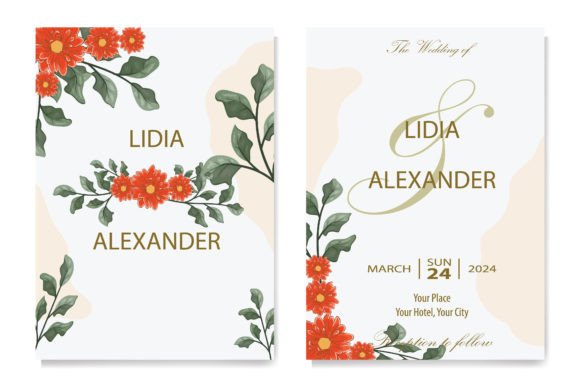
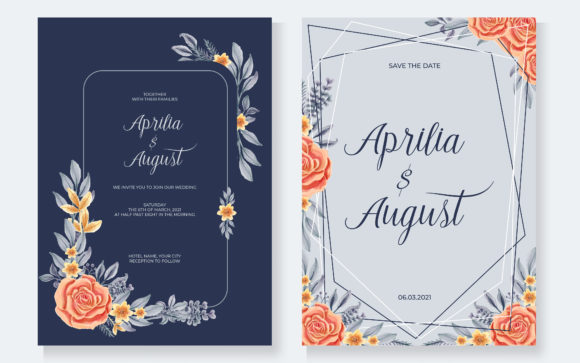
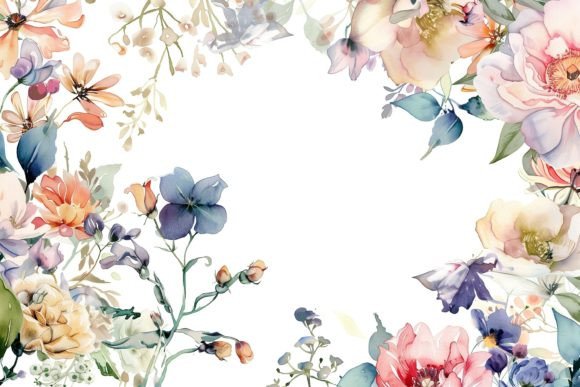
A successful Floral Foliage Wedding Invitation is a careful composition of elements working in harmony. The visual characteristics are defined by three key components. First are the delicate blooms and blossoms. These are the stars of the show—roses for love, peonies for bashfulness, lilies for purity. Their rendering can range from hyper-realistic watercolor washes to minimalist line drawings, each style carrying a different personality. The way these flowers cascade, frame the text, or cluster in corners creates movement and focal points.
Second, the lush foliage and greenery provides the essential backdrop. Think of eucalyptus leaves with their silvery-green hue, intricate fern fronds, or trailing ivy vines. This greenery does more than fill space; it adds depth, texture, and a sense of organic structure. It grounds the softer blooms and creates a verdant, abundant feel. The interplay between the bold shapes of monstera leaves and the fine detail of baby’s breath creates a dynamic visual rhythm.
Finally, the botanical accents and flourishes are the details that add character and whimsy. These include subtle berries, closed buds, delicate tendrils, and even tiny insects like bees or butterflies. These small touches reward closer inspection, making the design feel layered and thoughtful. The overall style can lean toward vintage charm with muted tones and classic serif fonts, or it can feel fresh and modern with bold, graphic foliage and clean sans serif typography. The personality is versatile, but always rooted in a sense of natural, handcrafted beauty.
Where This Design Language Truly Shines
The versatility of the floral foliage motif extends far beyond wedding stationery. Its natural elegance makes it a powerful tool across numerous creative fields. In brand identity and logo design, a subtle botanical element can instantly communicate a brand’s values—think of a boutique hotel, a high-end florist, a sustainable skincare line, or a farm-to-table restaurant. It suggests authenticity, care, and a connection to nature.
In editorial design and packaging design, this style creates a premium, tactile experience. A cookbook cover adorned with illustrated herbs feels more inviting. A product label for artisanal soap featuring a delicate floral border elevates the perceived value. For web design and social media graphics, botanical elements can be used as subtle backgrounds, section dividers, or hero images to create a cohesive, visually rich digital environment that engages audiences looking for beauty and inspiration.
The key is matching the style to the context. A minimalist line-art fern might suit a modern wellness brand’s social media graphics, while a full, painterly floral arrangement could define the brand identity of a luxury event planner. The design works because it taps into a universal appreciation for natural beauty, making it a reliable choice for projects aiming to evoke warmth, sophistication, and organic charm.
Making Botanicals Work for You: A Practical Approach
Integrating this aesthetic effectively requires thoughtful execution. It’s not about plastering flowers everywhere; it’s about strategic ornamentation that enhances, rather than overwhelms, your core message. Here’s how to approach it with a designer’s mindset.
Evaluate Your Project’s Needs. Is the goal to feel romantic, rustic, modern, or luxurious? A Floral Foliage Wedding Invitation for a garden party might use soft watercolor blooms and a flowing script font. For a sleek city wedding, you might choose geometric foliage patterns paired with a modern serif font and a sans serif font for body text. Always start with the mood you want to create.
Consider Readability and Hierarchy. This is critical. Ornate designs must never sacrifice legibility. Use the floral elements to frame the most important information—the couple’s names, the date—rather than obscuring it. Establish a clear visual hierarchy using font size, weight, and the strategic placement of botanicals. A bold display font for names can be balanced by simpler foliage, while body text in a clean sans serif font ensures all details are easy to read.
Test Font Pairings Relentlessly. The typography is the backbone of the design. A romantic script font might pair beautifully with a sturdy serif font for details. A modern handwritten font could be complemented by a geometric sans serif. Always test your chosen fonts at the actual print size and on different screens. Ensure the letterforms don’t get lost within the flourishes of the foliage. Sometimes, a simpler premium font allows the intricate artwork to breathe.
Source Quality Assets and Understand Licensing. Whether you’re commissioning custom artwork or using design assets, quality is non-negotiable. Look for high-resolution vectors or detailed illustrations that will scale well. If you’re using a commercial font or a creative font with botanical swashes, read the license carefully. Ensure it covers your intended use—whether for a client’s brand identity, a print-on-demand product, or digital social media templates. Respecting licensing protects you and supports the creators whose work you admire.
Ultimately, a Floral Foliage Wedding Invitation is more than a trend; it’s a timeless design language that speaks of care, beauty, and celebration. By understanding its components, applying it contextually, and focusing on clear communication, you can use this style to create projects that don’t just look beautiful, but feel genuinely meaningful. It’s about crafting an experience, one petal and leaf at a time.